The Food Storage Mistakes That Actually Attract Wildlife to Your Campsite
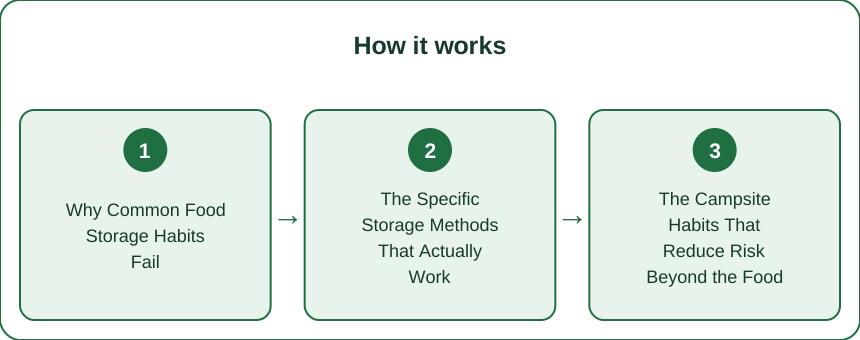
A lot of camping food storage habits feel careful — a sealed cooler, food kept in the tent overnight, a bag hung from a low branch — without actually being effective. Proper camping food storage against wildlife comes down to understanding that animals smell in a completely different league than we do, and a container that seems airtight to you may not be airtight to them at all. Here’s why the common habits fail, what actually works, and the campsite routines that matter just as much as the storage method itself.
Quick Answer: Effective camping food storage means using a certified bear-resistant container or a correctly executed high bear hang, keeping all food and scented items well away from your sleeping area, and following the specific regulations posted for your campsite or park. Sealed coolers and low-hung bags are not enough on their own.
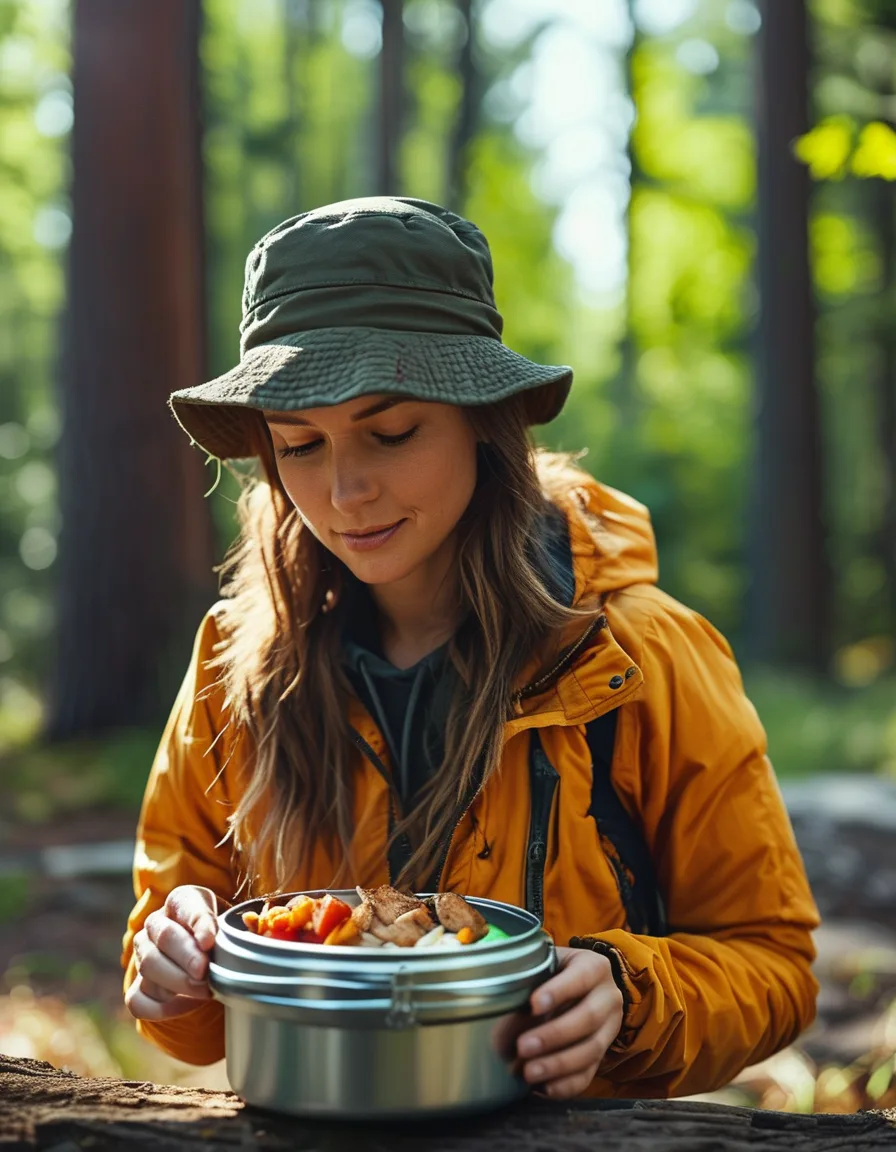
Why do sealed coolers and hung food bags still attract wildlife?
“Sealed” to a human nose is not the same as “scent-proof” to an animal’s. Standard coolers and zip-top bags reduce odor, but they don’t eliminate the trace scent that travels far beyond what people assume — wildlife with a serious sense of smell can pick up food odors from a genuinely long distance away, container or no container.
A few specific habits look careful but quietly fail:
- Keeping food in the tent overnight is one of the most common serious mistakes — it draws wildlife directly toward where people are sleeping, not away from it.
- Hanging a food bag from a low or thin branch leaves it well within reach of anything capable of climbing or reaching upward; a low hang solves almost nothing.
- Leaving food visible in a parked car isn’t automatically safe either — in areas with known wildlife activity, animals have learned to associate vehicles with food.
- A “clean-looking” campsite can still carry real scent residue from spills and crumbs that weren’t thoroughly wiped down.
The common thread: most storage mistakes come from applying a human sense of “secure” to an animal’s far more capable sense of smell.
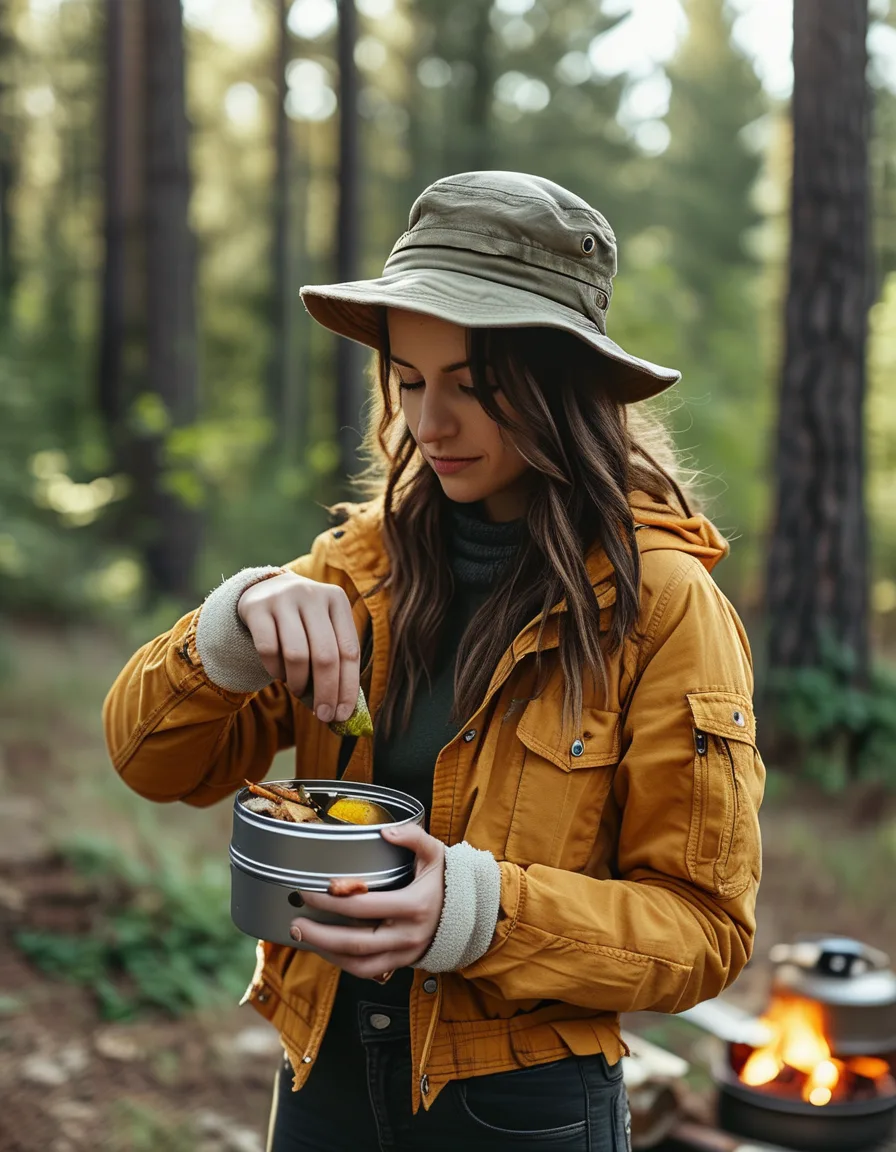
What food storage methods actually keep wildlife away?
Certified bear-resistant containers are the gold standard when wildlife risk is real. Hard-sided, certified canisters are the most reliable method available, and in many wildlife-heavy areas they’re required, not optional. When a canister isn’t available or isn’t required, a correctly executed bear hang is the next-best option — and the technique matters far more than just getting something up in the air.
A proper hang needs real distance on three axes: high enough off the ground, far enough from the trunk, and far enough from your actual camp. Beyond the hang or canister itself:
- Keep genuine distance between your food storage spot and your tent, regardless of which method you use.
- Check local regulations first — many camping areas require a specific storage method based on the wildlife that actually lives there, and local rules beat generic advice every time.
- Treat all scented items the same as food — toiletries, trash, gum, sunscreen, anything with a smell needs the same storage protocol food does.
If you’re heading somewhere with active bear or wildlife management, it’s worth a quick check of the park or forest service’s posted guidance before you go — rules vary a lot by region and by season, and rangers post them for a reason.
What campsite habits reduce wildlife risk beyond storage itself?
Where and when you cook matters almost as much as where you store food. Set up a cooking and eating zone that’s genuinely separate from your sleeping area, so food scent doesn’t concentrate right where you’ll be resting for eight hours. Wash dishes immediately after eating rather than leaving them until morning — an overnight pile of dirty cookware is basically a standing invitation.
A few more habits that make a real difference:
- Time meals earlier in the evening rather than cooking something aromatic right before bed.
- Dispose of trash properly, not just store it — trash carries the same scent risk as fresh food, and it’s an afterthought for a lot of campers.
- Research the specific wildlife of your destination beforehand, since risk varies enormously by region — a national forest in bear country calls for very different precautions than a state park with mostly raccoons.
Myth vs. Fact
- Myth: A sealed cooler is basically bear-proof. Fact: it reduces scent but doesn’t come close to eliminating it — treat a cooler as a first layer, not a solution.
- Myth: Hanging your food anywhere off the ground is enough. Fact: height, distance from the trunk, and distance from camp all have to be right together, or the hang doesn’t actually work.
- Myth: If it’s in the car, it’s safe. Fact: in areas with wildlife known to break into vehicles for food, a car is not an automatic safe zone.
Do bear canisters really work better than hanging food?
Yes, in most cases — certified bear-resistant canisters are considered the most reliable method because they don’t depend on finding the right tree, the right branch, or executing the hang perfectly. Many high-risk areas require them specifically because hangs are so often done wrong.
What should I do if wildlife approaches my campsite anyway?
Stay calm, don’t run, and put distance between yourself and the animal while making yourself look larger and speaking in a firm, calm voice. If you’re in an area with known bear or large-wildlife activity, it’s worth reviewing your park or forest service’s specific safety guidance before your trip, since recommended responses vary by species and region.
How far should food storage be from my tent?
Guidance varies by location, but the general principle is real, meaningful distance — enough that food odor isn’t concentrated near where you sleep. Local park or campground regulations will often specify an exact distance, and that posted number should always override generic camping advice.
TL;DR:
- Sealed containers reduce scent but don’t eliminate it — don’t rely on them alone.
- Never keep food, snacks, or scented items inside your tent overnight.
- Certified bear-resistant containers are the most reliable storage method available.
- A correct bear hang needs height, distance from the trunk, and distance from camp — all three.
- Treat trash and toiletries with the same storage protocol as food, and check local regulations before you go.
Keep Reading
This article is for general informational and styling purposes only. Fit, sizing, and product availability may vary.