7 Mistakes People Make When Rain Arrives Overnight
Quick Answer: The seven that matter: pitching in a low spot, leaving guy lines slack, touching the inner tent to the fly, storing gear against the walls, leaving boots and packs outside, having no dry-change plan, and no plan for a wet pack-down. Six of the seven are decided at setup, in daylight, when it is not raining - which is why the fix is a five-minute routine at pitch time rather than anything you do at two in the morning.
Rain that arrives after dark is not the problem. The problem is that a tent pitched for a dry night behaves very differently from a tent pitched for a wet one, and by the time you find out, you are outside in the dark in socks.
Why does overnight rain catch people out?
Because you pitch for the conditions you can see.
In sunshine you pick the flattest, most pleasant spot, you get the tent up quickly, you leave the guy lines loose because it is calm, and you spread your gear out because there is room. Every one of those choices is reasonable, and every one of them is wrong for rain.
Fabric behaves differently when wet. Most tent fabrics absorb some water and sag, which slackens a fly that was taut at pitch. A sagging fly touches the inner tent, and where they touch, water transfers through by capillary action - the most common source of a mysterious wet patch that people blame on a leaky tent.
Ground behaves differently too. A dip that is invisible in dry grass becomes a puddle in two hours. Water follows the shape of the land, and a tent floor is waterproof from above and only somewhat waterproof from below under pressure.
And you behave differently. Everything that needs doing in the rain is harder, slower, and colder than the same task in daylight. Anything you can move from three in the morning to seven in the evening is worth moving.
The pattern that causes most of the misery is small: a few damp items become a damp sleeping bag, a damp sleeping bag means a cold night, a cold night means a miserable morning, and the whole trip gets remembered as bad weather. It is almost always traceable to two or three setup decisions.
Mistakes 1 to 3: where and how you pitch
1. Pitching in the most comfortable-looking spot
The flattest, softest, most sheltered patch is frequently the low point, and low points collect water. Walk the site and look at where water would go - depressions, the base of a slope, the inside of a bend, anywhere the grass is greener or lusher than the surroundings. Pitch on a slight rise or a gentle slope, even if it is less comfortable, and orient so your head is uphill.
Also avoid pitching directly under trees in wet weather. Trees drip for hours after rain stops, the drops are large and land hard, and dead branches come down in wind. The shelter is not worth it.
2. Leaving guy lines slack
On a calm evening a taut fly feels unnecessary. Then the fabric absorbs water, stretches, and sags onto the inner tent. Guy out every line, every time, and tension them properly. It takes about three minutes and it is the highest-return three minutes in wet-weather camping.
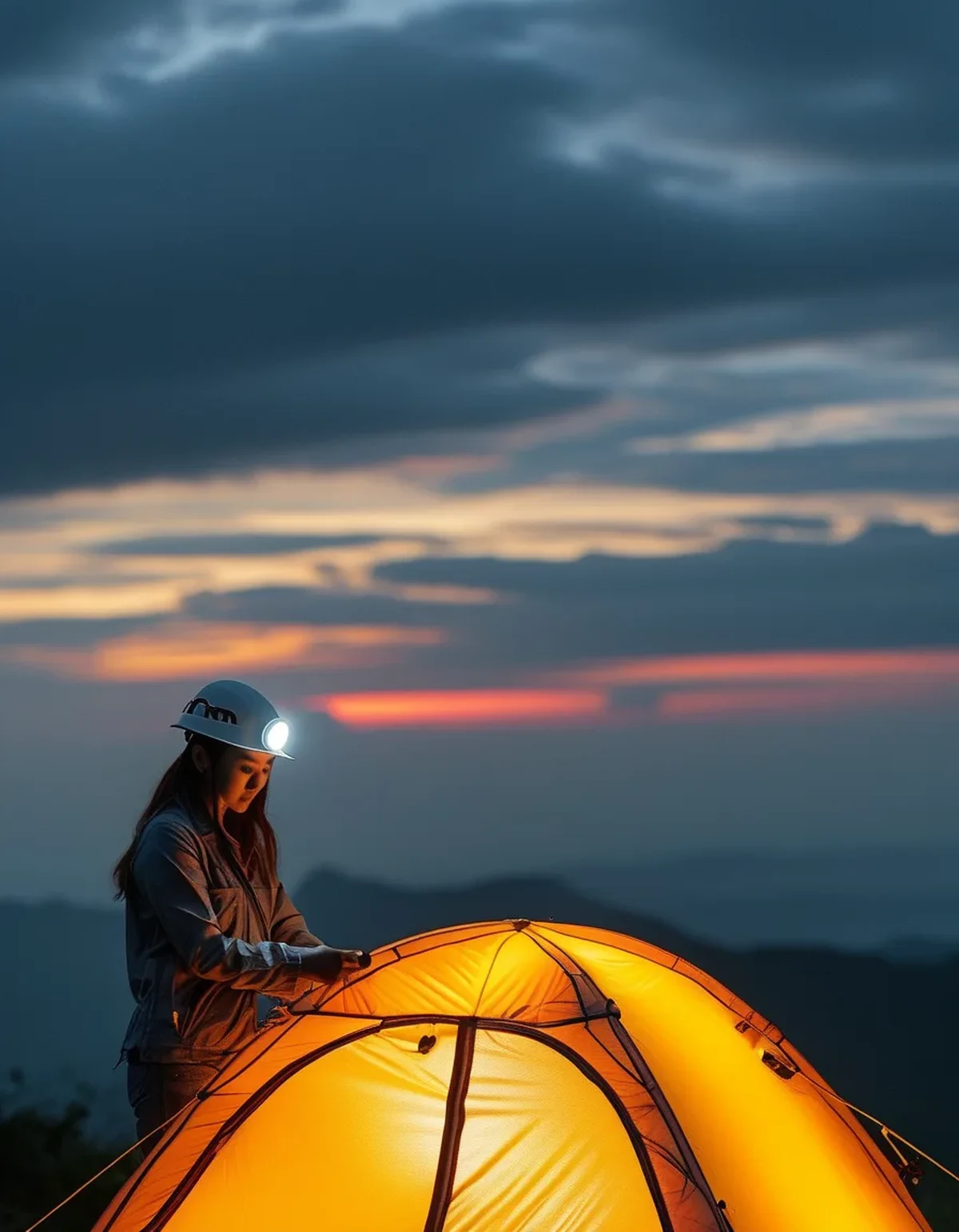
Then re-tension before bed. Fabric relaxes as evening dew forms, so the tension you set at six is not the tension you have at ten. Walk round once with a head torch before you get in.
3. Letting the inner tent touch the fly
A double-wall tent works because there is an air gap between the two layers. Where they touch, water crosses. Check the gap all the way round after pitching, and again after re-tensioning. If your tent has a persistent contact point, that is where the wet patch will be, and a small guy-line adjustment usually fixes it permanently.
Do not touch the inside of the fly during rain either. Pressing a finger against wet fabric from inside can draw water through at that point.
Mistakes 4 to 5: how you store things overnight
4. Storing gear against the tent walls
This is the single most common cause of a wet sleeping bag. Condensation forms on the inside of the fly and, on a single-wall or a small tent, on the inner too. Anything touching the wall wicks it up. A sleeping bag pushed against the side, a rolled jacket used as a pillow against the wall, a rucksack leaning on the inner - all of them will be damp by morning, and none of it is a leak.
Keep a hand’s width of clearance from every wall. In a small tent that means packing more deliberately at bedtime, which is annoying and worth doing.
Condensation is not a defect. Two people breathing overnight release a significant amount of water vapour, and in a sealed tent it has to go somewhere. Ventilation is the answer - keep vents open even when it is raining, because closing everything makes the inside wetter, not drier.
5. Leaving boots and packs outside
Boots left in a porch that is not fully covered fill with water. Boots left outside entirely become unwearable, and wet boots on a cold morning set the tone for the whole day.
Boots go in the porch, on their side or upside down, under the fly, ideally in a bag. If there is no porch, bring them into the inner in a dry bag or a supermarket bag rather than leaving them out.
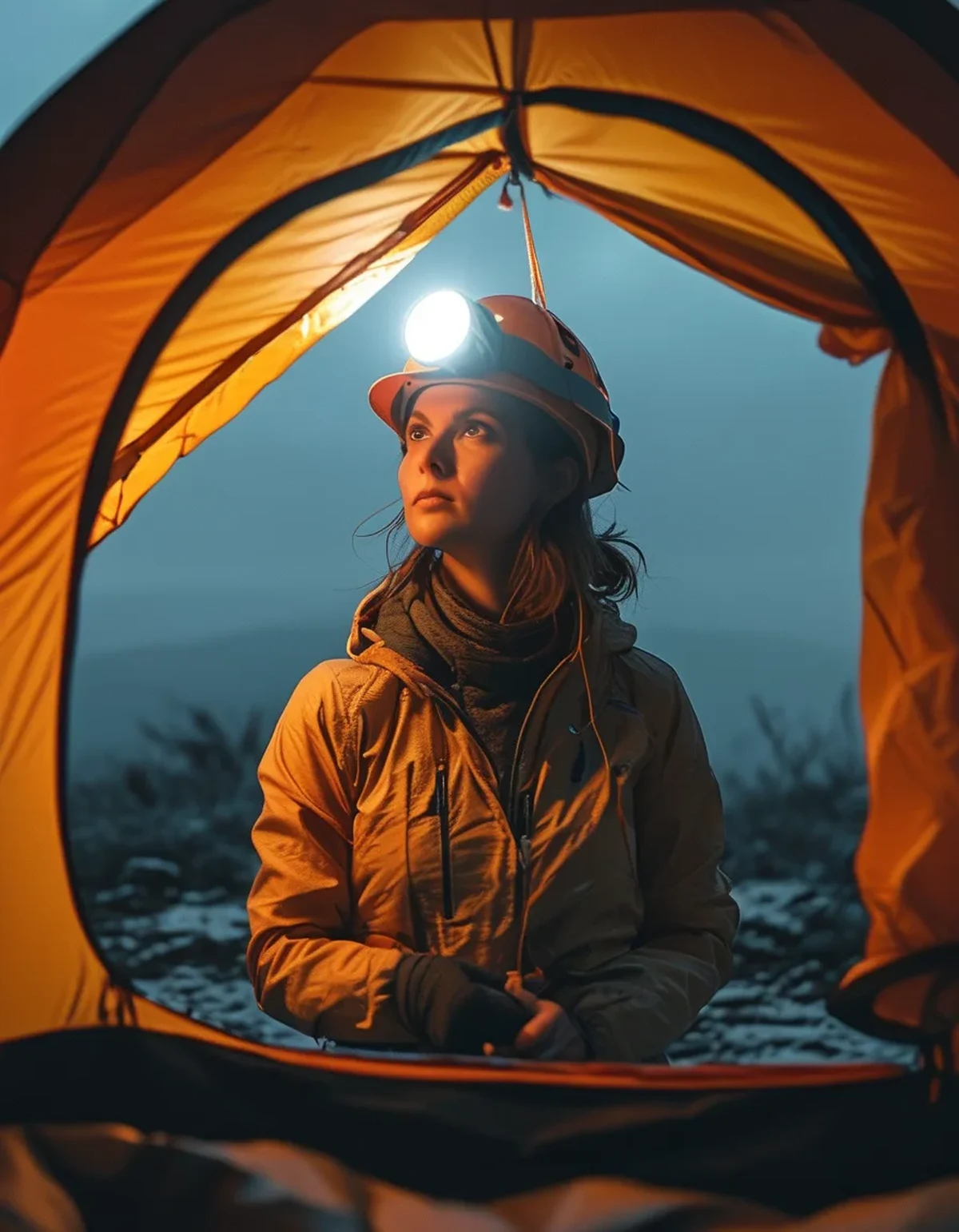
Anything you need in the morning goes inside. Head torch, dry socks, the next day’s layers, and food you want without going outside. Rummaging in a wet pack in the dark is how people end up soaked before they have even got up.
Mistakes 6 to 7: no plan for wet, and no plan for leaving
6. Having no dry-change plan
The single most valuable item in wet-weather camping is a complete set of dry clothes, sealed in a dry bag, that you never wear except to sleep in. Not the spare layer you might put on if it gets cold - a set that stays sealed no matter what.
This matters because wet clothes worn in a sleeping bag make you cold all night, and because there is a large psychological difference between being wet with dry clothes waiting and being wet with no dry clothes at all. The second is when trips get abandoned.
A dry bag, not a plastic carrier. Carriers tear and they are not sealed at the top. A proper dry bag costs little and is the highest-value single purchase for wet trips.
Include dry socks. Two pairs. Cold feet ruin sleep more reliably than anything else.
7. Having no plan for packing up wet
Breaking camp in rain is unpleasant and slow, and people improvise badly. Two things make it much better.
Have a big bin bag for the wet tent. Do not try to pack a soaked fly into its stuff sack alongside dry things - it will wet everything it touches for the whole journey home. A separate bag for the wet fly keeps the rest of the kit dry.
Pack the inside first, in order. Get everything except the tent packed and sealed while you are still under cover, then take the tent down last with as few items exposed as possible. On most tents you can drop the inner while the fly is still up, which keeps it dry.
And dry it properly within twenty-four hours of getting home. A tent packed wet develops mildew and delamination quickly, and that damage is permanent. Put it up in a garden or drape it over furniture - this is the step everyone skips and it is what ends tents.
What to actually do at pitch time
A five-minute routine that covers all seven.
Walk the spot before you unpack. Look uphill, look for depressions, look for greener grass, look up for dead branches. Take thirty seconds. The site you choose determines most of what follows.
Pitch with the smallest end into the prevailing wind and with the door away from it if you can. It reduces flapping, reduces water driven into the porch, and makes the tent quieter to sleep in.
Guy out every line and tension them. All of them, including the ones that seem unnecessary in calm weather.
Walk round and check the fly-to-inner gap. Adjust anything touching.
Set up the inside so nothing touches the walls, and put the dry bag with sleeping clothes somewhere you can reach without moving anything else.
Boots in the porch, morning kit inside, head torch within arm’s reach of where your head will be.
Re-tension before bed, once dew has formed and the fabric has relaxed.
One more thing worth doing at home: check the seams and reproof the fly before a trip if the tent is more than a couple of seasons old. Water beading on the fabric means the coating is working; water soaking in and darkening the fabric means it is not, and a reproofing spray costs very little compared with a wet night.
FAQ: Wet Weather Camping Questions, Answered
How do I stop my tent leaking in overnight rain?
Most apparent leaks are not leaks. They are the inner touching the fly, condensation wicking into gear stored against the walls, or a tent pitched in a low spot. Tension every guy line, keep a gap between the layers, and keep everything a hand’s width from the walls.
Should I close the vents when it rains?
No. Closing everything traps the water vapour you breathe out, and condensation makes the inside wetter than the ventilation would. Keep vents open - they are designed to work in rain.
Where should I pitch if rain is forecast?
On a slight rise or gentle slope, head uphill, away from depressions, the base of slopes, and lusher green patches that indicate where water collects. Avoid pitching under trees - they drip for hours afterwards and drop branches in wind.
What do I do with wet boots overnight?
Under the fly in the porch, on their side or upside down, ideally bagged. If there is no porch, bring them inside in a bag. Wet boots in the morning affect the rest of the day more than almost anything else.
How do I pack up a wet tent?
Pack everything else first while still under cover, drop the inner before the fly if your tent allows it, and put the wet fly in a separate bin bag so it does not soak the rest of your kit. Dry the tent fully within a day of getting home or it will mildew.
What is the one item worth carrying for wet trips?
A sealed dry bag containing a complete set of sleeping clothes and two pairs of socks, worn only for sleeping. It is inexpensive, it is what stands between a damp night and a cold one, and it is what most people do not have.
TL;DR:
- Six of the seven mistakes are made at pitch time in daylight, not during the rain.
- Do not pitch in the flattest spot - pitch on a rise, away from depressions and lusher grass, and not under trees.
- Guy out every line, then re-tension before bed once dew has relaxed the fabric.
- Keep a gap between the fly and the inner, and keep all gear a hand’s width from the walls.
- Most leaks are condensation and contact points, not holes. Keep the vents open even in rain.
- Carry a sealed dry bag with sleeping clothes and two pairs of dry socks. Nothing else earns its weight as reliably.
- Bring a bin bag for the wet fly, and dry the tent properly within a day of getting home.
Five minutes at pitch time buys the whole night.
Keep Reading
This article is for general informational and styling purposes only. Fit, sizing, and product availability may vary.