7 Late Summer Camping Mistakes That Ruin the Last Trip of the Season
Quick Answer: Late-summer camping fails on temperature swing more than anything else - a 29C / 85F afternoon can drop to 7-10C / 45-50F overnight in the mountains, a swing of over 20 degrees Celsius that summer gear is not rated for. Add shorter daylight, drier fire conditions, and end-of-season insects, and the last trip of the year needs different planning than the first one did.
The last trip of the season has a particular way of going wrong. Everything worked all summer, so you pack the same bag, and then you spend the night awake and cold at a site that felt tropical at dinner. Here are the seven failures that account for most of it.
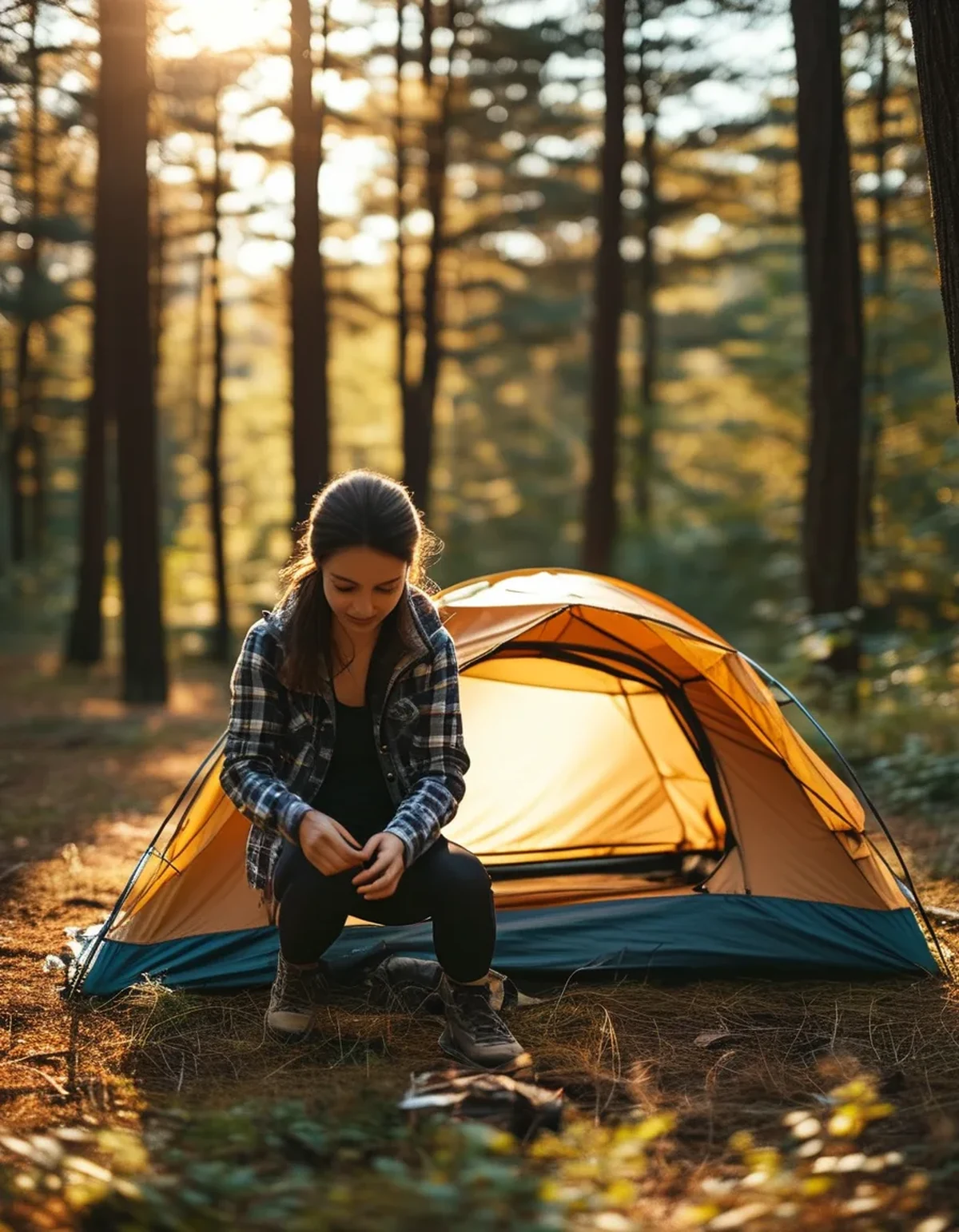
1. Packing for the afternoon instead of the night
This is the big one, and it causes more miserable trips than everything else combined.
In late August and September, the diurnal swing widens sharply. Drier air holds less heat, nights are longer, and clear skies let ground heat radiate away fast. A site at 29C / 85F at 5pm can be 7-10C / 45-50F by 4am, and higher-elevation or desert sites swing further still - 20C / 36F of drop is routine and more is possible.
Check the overnight low for your actual elevation, not the nearest town, and subtract roughly 3.5C per 1,000 feet of elevation gain above that town. Then pack for that number plus a margin.
The practical fix is a sleeping bag liner and one extra insulating layer. A fleece liner adds roughly 5C / 9F of comfort rating for very little weight and turns a summer bag into a shoulder-season bag.
2. Trusting a summer sleeping pad
People obsess over sleeping bag ratings and ignore the pad, which is often the actual failure point.
Your bag insulates the air around you, but underneath your body the fill is compressed to nothing and provides almost no insulation. The ground - which in September is cooling faster than the air - pulls heat straight out of you. Pad insulation is measured as R-value, and summer pads typically run R 1.0-2.0.
For late-season nights you want R 3.0 or higher. If you are not buying a new pad, the free fix is to stack: a cheap closed-cell foam pad under your inflatable adds roughly R 2.0 and also protects against punctures. Two pads is the standard shoulder-season answer and it works.
If you wake up cold on your back but warm on top, that is a pad problem, not a bag problem, and no amount of extra blankets over you will fix it.
3. Assuming there is as much daylight as there was in July
By late August, most of the northern US has lost around 90 minutes of daylight compared to the solstice, and it is dropping by 2-3 minutes per day.
That matters because camp routines were built in long-daylight conditions. Arriving at 6:30pm and setting up leisurely worked in July. In September you are pitching a tent in dusk and cooking in the dark.
Three adjustments: arrive 90 minutes earlier than your summer habit; carry a headlamp per person plus one spare set of batteries, not a shared lantern; and do camp chores in a fixed order so you are not searching for gear by phone light. Cold food gets less appealing in the dark, so plan the more involved meal for the first night while you still have light.
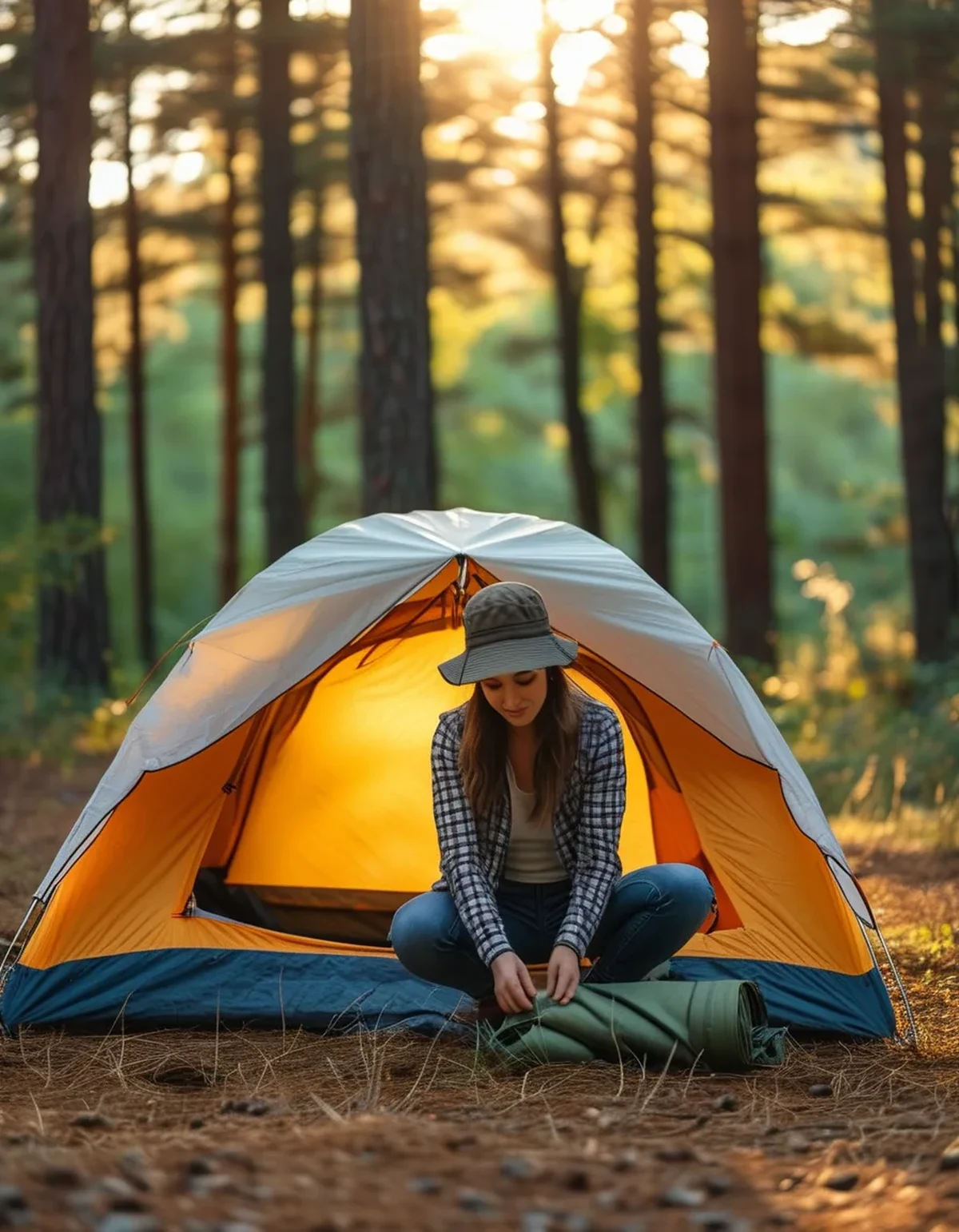
4. Ignoring fire restrictions and dry fuel conditions
Late summer is the peak of fire danger in most of the western and central US - cumulative dry months, cured vegetation, and low humidity.
Check restrictions the day you leave, not the week before. Bans change fast and are often issued with little notice. Many areas that allowed fires in June prohibit them entirely by late August, including charcoal and sometimes even wood stoves.
Assume you may not have a fire and plan accordingly. That means a stove-based meal plan, a warm-layer plan that does not rely on standing near flames, and a light source that is not a campfire. People who plan around a fire and then cannot have one are the ones who go to bed cold and bored at 8pm.
Even where fires are legal, use existing rings, keep them small, and drown them until the ashes are cool to the touch. Dry late-season conditions mean an ember that would have died in June can smolder for hours.
5. Bringing the wrong bug strategy for the end of the season
Late summer insect pressure is different from midsummer, and the gear that worked in June misses it.
Mosquito activity drops in many regions as nights cool, so people relax. Meanwhile wasps and yellowjackets peak in late summer as their colonies reach maximum size and switch to scavenging protein and sugar - which is exactly what your camp kitchen offers. Ticks also have a second seasonal activity bump in many areas in early autumn.
Adjust: keep food and sweet drinks covered at all times, not just at meals; deal with trash immediately rather than at the end of the evening; and do a tick check at the end of each day, particularly around the waistband, behind the knees, and at the hairline. Permethrin-treated clothing is the single most effective tick measure available and it lasts several washes.
6 and 7. The water plan and the gear storage nobody adjusts
6. Keeping the summer water plan
Two things change at once and they push in opposite directions.
Water sources shrink. Seasonal streams that ran in June are often dry or reduced to stagnant pools by late August. If your trip plan depends on a water source, verify it recently rather than trusting a map, and carry more capacity than you think you need.
You drink less than you should. Cooler air and lower humidity reduce the sensation of thirst even while dry air increases respiratory fluid loss. Late-season dehydration is quiet - it shows up as headache, fatigue, and feeling cold rather than as obvious thirst. Feeling cold is the one that catches people out, because they interpret it as a gear problem and add layers instead of drinking.
Set a target rather than drinking to thirst: roughly 2-3 liters per day for moderate activity, more if you are hiking, and start the day with a full container so you can track it.
7. Storing gear the way you always did - on the last trip of the year
This one does not ruin the trip you are on. It ruins next season, which is worse because you will not find out for eight months.
Never store a sleeping bag compressed. Long-term compression permanently damages loft in both down and synthetic fill. Store it in a large cotton or mesh sack, or hanging.
Never store anything damp. A tent packed slightly wet at the end of a trip and left until spring grows mildew that permanently degrades the coating and the smell never fully leaves. Set the tent up at home for a day, even if you think it is dry - condensation lives in the seams and the floor.
Empty and dry water reservoirs and filters. A filter that freezes with water inside it is destroyed and gives no visible sign, which is a genuine safety issue the next time you use it. Follow the manufacturer’s storage instructions for filters specifically.
Budget an extra hour the day after the last trip. It is the cheapest gear maintenance you will ever do.
FAQ: Late Summer Camping Questions, Answered
How much colder is it really at a mountain site than the forecast town?
A reasonable planning rule is 3.5C per 1,000 feet / 2F per 1,000 feet of elevation gain, but valleys and basins can be far colder than that because cold air pools in them overnight. Camping on a slight rise rather than in the lowest spot on the site can be worth several degrees.
Is it worth buying a warmer sleeping bag just for shoulder season?
Usually not as a first move. A liner plus a higher R-value pad costs far less, packs smaller, and addresses the two actual failure points - conduction into the ground and the gap between a summer bag’s rating and the real overnight low. Buy the bag when you start camping into genuine cold.
What is the single most common late-season mistake?
Checking the daytime high and packing from it. The afternoon at a late-summer campsite feels like midsummer and lies to you completely about 4am. Look up the overnight low, adjust for elevation, and pack for that.
TL;DR:
- Pack for the overnight low at your elevation, not the afternoon high - swings over 20C / 36F are normal now.
- Pad R-value 3.0+ matters more than bag rating; stacking a foam pad under an inflatable is the cheap fix.
- Daylight is down ~90 minutes from the solstice - arrive earlier and carry a headlamp per person.
- Expect fire bans, peak wasp activity, shrunken water sources, and store gear uncompressed and bone dry.
The last trip of the season is the one people plan the least, because they have been camping successfully all summer and the muscle memory feels reliable. It is a different set of conditions wearing the same weather forecast. Add a liner, a second pad, an earlier arrival, and an hour of gear care afterward, and the trip you remember is the view rather than the night you spent shivering.
Keep Reading
This article is for general informational and styling purposes only. Fit, sizing, and product availability may vary.