The Camping Packing Checklist: What You Actually Need (and What to Leave Home)
Quick Answer: Pack from six categories — shelter/sleep, cooking/food, weather layers, water, first-aid, and lighting/navigation — matched to whether you’re car camping (pack more) or backpacking (pack less). Forgetting one of those six ruins a trip fast; everything outside them is optional weight.
You know the two ways a camping trip goes sideways. Either you get to the site and realize you forgot the headlamp batteries, or you spend twenty minutes hauling a duffel bag you packed “just in case” and never opened once. A checklist fixes both problems at the same time — it’s not about packing more, it’s about packing the right six things and skipping the rest.
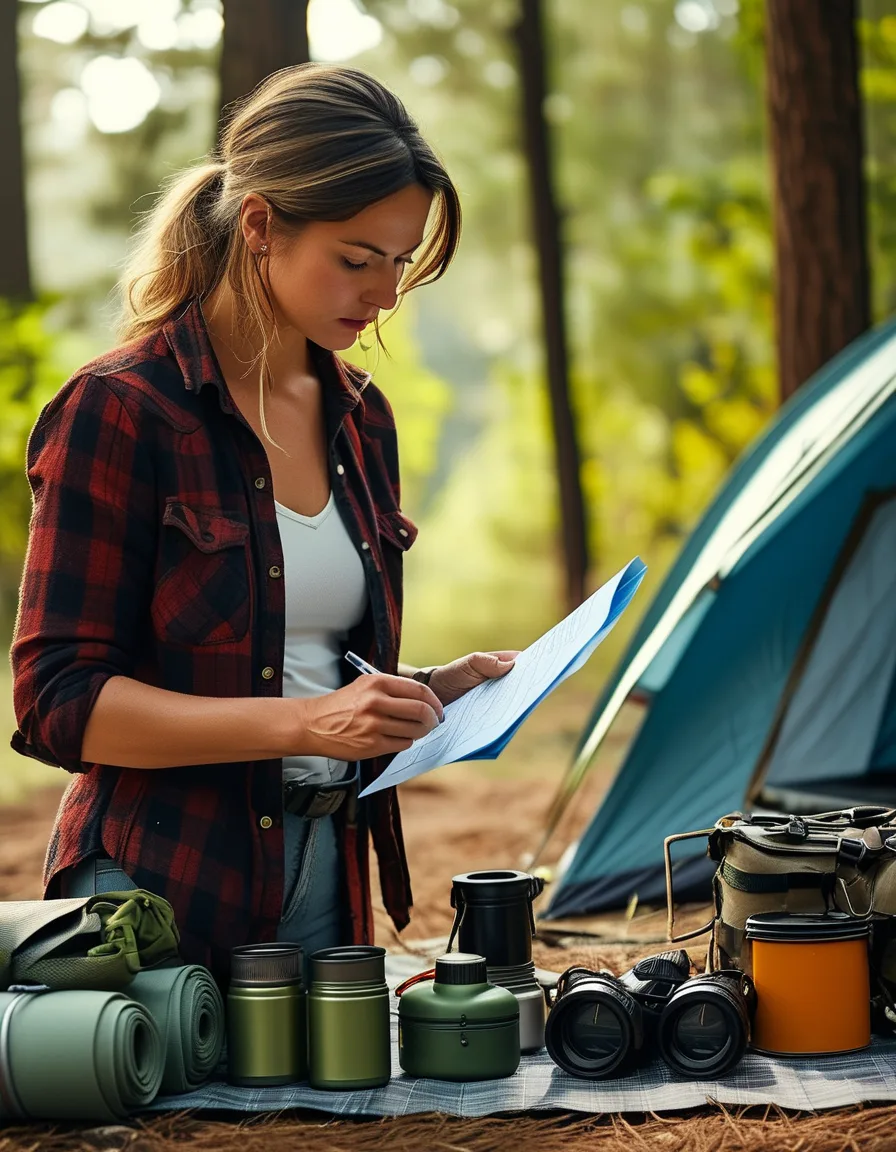
Why Do So Many Camping Trips Get Ruined by Packing?
There are really only two ways packing goes wrong: you forget something essential, or you overpack gear you never touch. Both come from the same root cause — packing from memory instead of a list. A checklist solves both at once, because it forces you to pack for comfort without piling on excess “just in case” weight.
Beginners feel this the hardest. If you’ve never done an overnight before, it’s genuinely hard to know what’s essential versus what’s a nice-to-have, and that uncertainty is exactly what pushes people toward overpacking — when in doubt, people throw it in the bag.
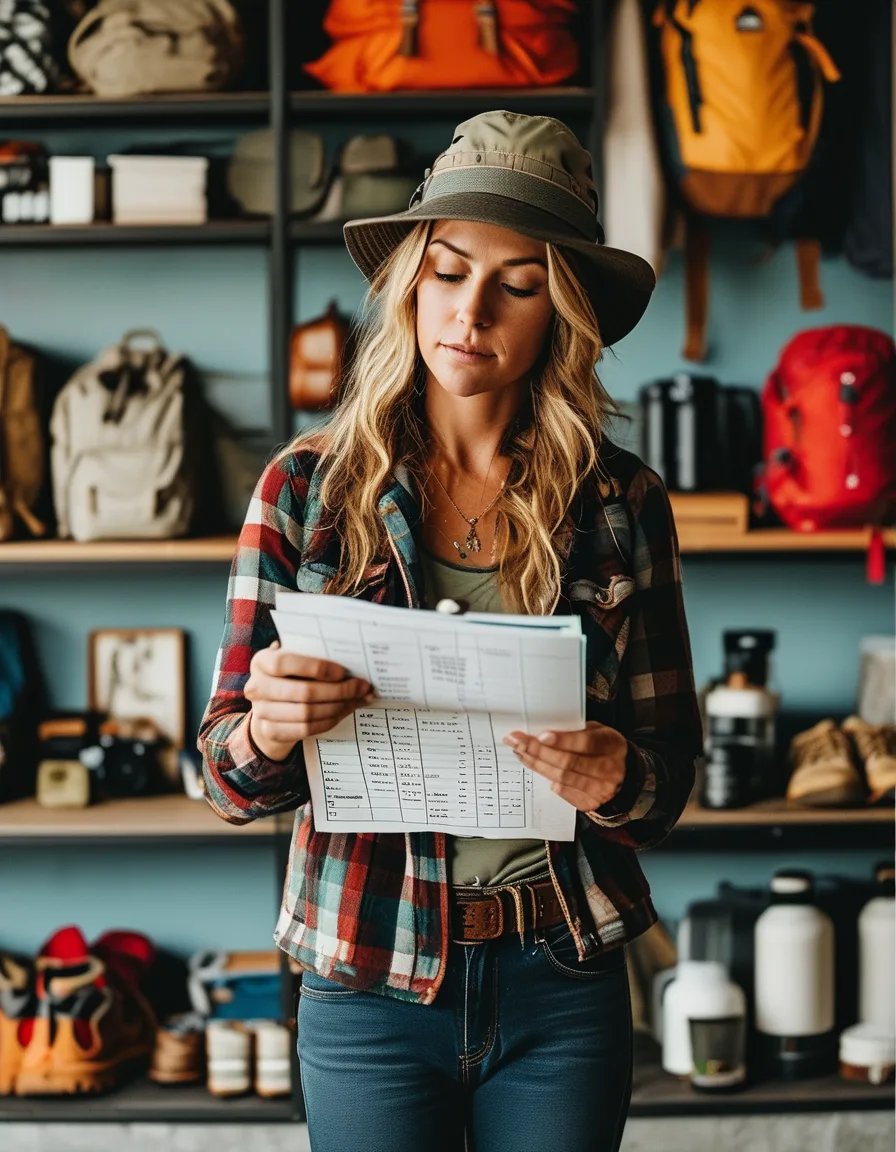
What Actually Belongs on Your Camping Checklist?
Six categories cover essentially everything you need. If it doesn’t fit one of these, ask yourself honestly whether it’s earning its space in the car or the pack.
- Shelter and sleep — tent, sleeping bag rated for the night’s low temperature, and sleep-comfort gear like a pad or pillow. This is the category most worth spending a little extra weight on; a bad night’s sleep colors the whole trip.
- Cooking and food — your camp kitchen setup plus easy-to-cook meals. Simpler is better here than people expect.
- Clothing and layers — matched to the actual forecast, not the season in general. Check the overnight low specifically, since that’s usually 15-20°F colder than the daytime high.
- Water and hydration — enough water plus a way to carry or treat more if you’re not car camping.
- First-aid and safety basics — a stocked kit, even for a one-night trip 10 minutes from the car.
- Lighting and navigation — a headlamp or lantern with fresh batteries, plus a map, phone, and the basics you’d actually reach for in the dark.
If you’re car camping, this is also where you can add real comforts — a camp chair, a cooler, an extra blanket — because you’re not carrying it on your back.
How Do You Pack Smart Instead of Just Packing More?
Use the checklist, don’t wing it. Check items off as you go. This single habit eliminates almost all “we forgot the ___” moments.
Pack for the actual weather, not the season. A 60°F forecast with rain calls for completely different gear than a dry 60°F night — pack for the conditions in front of you.
Match your load to your mode. Car camping means you can bring extras. Backpacking means every pound matters, so the six essentials are the ceiling, not the floor.
Prioritize sleep comfort over almost everything else. A pad or pillow that costs you a little extra space is worth it — sleep quality makes or breaks how the whole trip feels the next morning.
Keep food simple. Minimal-cook meals mean less cleanup, fewer dishes, and more time actually enjoying the site instead of managing a camp kitchen.
Leave the extras home. If you’re asking “will I actually use this,” and you’re not sure, the answer is usually no.
If you’re camping solo, add a safety margin. A slightly more complete first-aid kit and a way to communicate your location matter more when there’s no one else to lean on if something goes wrong.
5 Mistakes Everyone Makes When Packing for Camping
- Packing for the daytime high, not the overnight low. You’ll be cold at 2am in a bag rated for the wrong temperature.
- Bringing a “backup” of everything. One headlamp with fresh batteries beats two half-charged ones.
- Overcomplicating the camp kitchen. A two-burner stove and three simple meals beat a full spice rack you’ll never open.
- Skipping the first-aid kit on “easy” trips. Blisters and scrapes don’t check your itinerary first.
- Not testing gear before the trip. The first time you pitch a new tent shouldn’t be in the dark at the campsite.
Mini FAQ
What are the absolute must-haves for camping?
Shelter and sleep gear, cooking and food supplies, weather-appropriate layers, water, a first-aid kit, and lighting/navigation. Everything else is optional depending on your trip.
How different is packing for car camping vs. backpacking?
Car camping lets you bring comfort extras — chairs, coolers, extra layers — since weight isn’t a constraint. Backpacking means sticking closely to the six essentials since every pound is carried on your back.
What’s the one item people forget most often?
Backup batteries for lighting. A headlamp with a dead battery at a dark campsite is one of the most common (and most avoidable) camping mistakes.
TL;DR:
- Pack from six categories: shelter/sleep, cooking/food, clothing layers, water, first-aid, lighting/navigation
- Match your pack to your mode — car camping allows extras, backpacking doesn’t
- Prioritize sleep comfort and simple food over “just in case” extras
- Check the overnight low, not the daytime high, before packing layers
- Solo campers should add extra safety margin to their first-aid kit
Keep Reading
This article is for general informational and styling purposes only. Fit, sizing, and product availability may vary.