7 Camping Meal Mistakes That Ruin the Trip Before It Even Starts
Quick Answer: Most camping meal disasters trace back to under-planning: not enough ice, too many ingredients that need refrigeration, or a menu that requires more cooking gear than you packed. Fix the plan before the trip, not at the campsite.
Nothing deflates a camping trip faster than standing at a cooler full of warm, questionable food on night two, wondering what went wrong. It’s almost never one big mistake — it’s usually one of these seven small planning gaps.
1. Packing too many ingredients that need to stay cold
A menu built around fresh meat, dairy, and produce for 4 days sounds great on paper and falls apart by day 2 once ice starts melting. Every ice-dependent ingredient is a countdown timer.
Fix: front-load the trip with your most perishable meals (night 1) and shift toward shelf-stable options (canned, dried, vacuum-sealed) as the trip goes on.
2. Not pre-freezing food and water before departure
Loading a cooler with room-temperature food and ice at the same time means the ice spends its first hours just cooling the food down instead of keeping it cold — you lose a full day of ice life before the trip even starts.
Fix: freeze meat, pre-freeze water bottles (they double as ice packs and drinking water later), and chill the cooler itself the night before packing.
3. Bringing recipes that need gear you didn’t pack
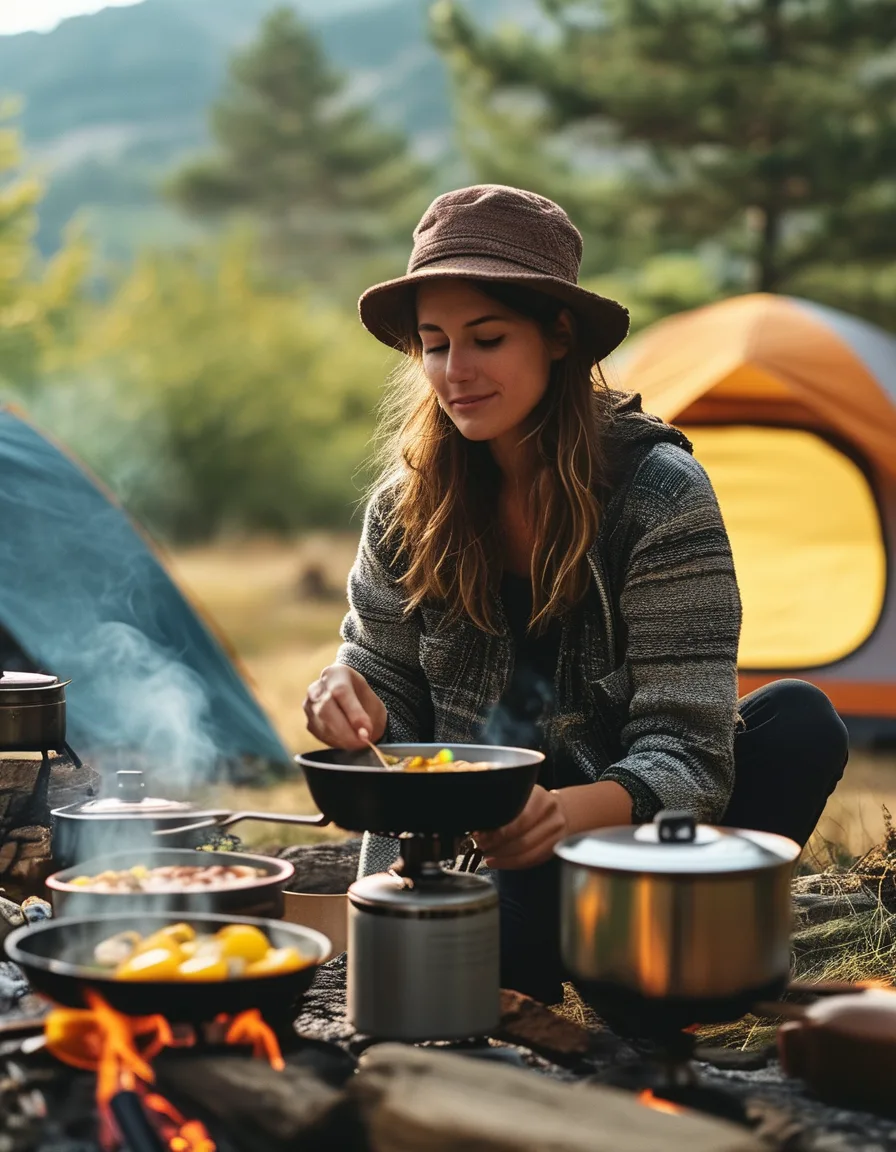
Planning a stir-fry that needs a wok-sized pan, or a recipe with 6 steps and 3 pots, when you packed one camp stove burner and one skillet, is a recipe for frustration at 6pm with a hungry group.
Fix: match every planned meal against your actual gear list before the trip, not after you’ve arrived. One-pot and one-pan meals aren’t a compromise — they’re the smart default for camp cooking.
4. Underestimating how much more you’ll eat outdoors
Fresh air, physical activity, and cooler temperatures genuinely increase appetite — most people eat noticeably more camping than they do at home, and under-packing portions is one of the most common surprises for first-timers.
Fix: plan for roughly 20-30% more food than you think you’ll need, especially snacks and breakfast items, which disappear fastest.
5. Forgetting a food storage plan for wildlife
Leaving food or scented items in a tent or an unsecured cooler isn’t just a mess risk — depending on location, it’s a genuine wildlife safety issue, and many campgrounds have specific rules for a reason.
Fix: know your campsite’s food storage requirements before you arrive (bear box, hang, or vehicle storage) and never store food or trash in your sleeping area.
Myth vs Fact: Camp Cooking
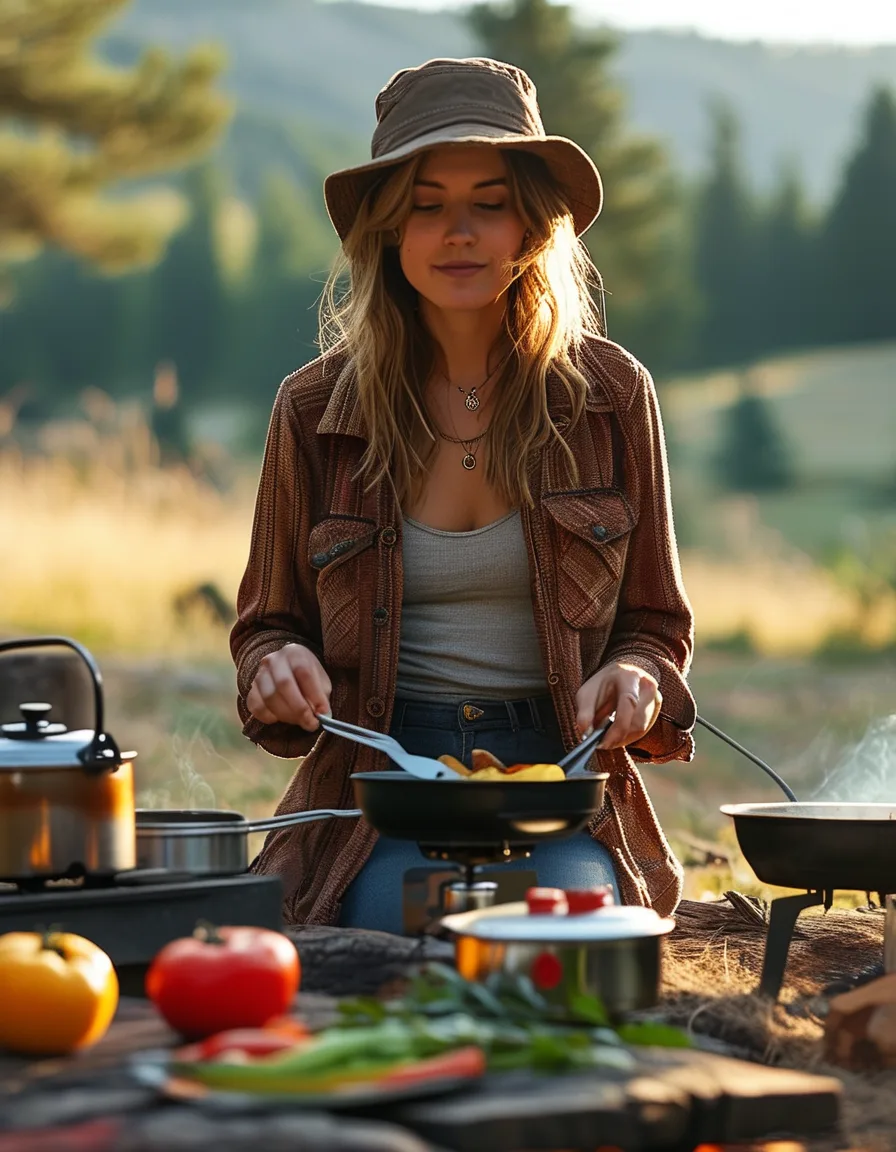
Myth: Camp cooking has to be basic — beans and hot dogs. Fact: A single skillet and a camp stove can produce genuinely good one-pot meals; the limitation is usually planning, not the gear itself.
Myth: More food packed is always safer. Fact: Overpacking perishables you can’t keep cold creates more waste and more risk than packing exactly what you’ll eat, matched to your cooler’s real ice capacity.
FAQ: Camping Food Questions, Answered
How long does ice actually last in a cooler?
A well-packed, pre-chilled cooler typically holds ice for 3-5 days depending on quality and how often it’s opened — every open-close cycle lets warm air in, so pack it to minimize digging around.
What’s the easiest first-night camp dinner?
A foil packet meal (protein, vegetables, seasoning wrapped in foil, cooked on coals or a grate) needs minimal gear and cleanup, making it a reliable first-night choice while you’re still setting up camp.
Should beginners bring a camp stove or cook over fire?
A camp stove for beginners — it’s more predictable and faster to control than fire cooking, which has a real learning curve. Save fire cooking for when you’re comfortable with the basics.
TL;DR:
- Front-load perishable meals to night 1, shift to shelf-stable as the trip goes on
- Pre-freeze food and water before you leave — don’t make ice do double duty
- Match every recipe to the gear you actually packed
- Pack 20-30% more food than expected; outdoor appetite is real
Most camp meal disasters are planning gaps, not cooking failures — a 20-minute menu check against your gear list before you leave fixes most of this list at once.
Keep Reading
This article is for general informational and styling purposes only. Fit, sizing, and product availability may vary.