9 Late-Summer Camping Mistakes That Quietly Ruin an August Trip
Quick Answer: Late-summer camping fails on three things July does not punish: 20-degree overnight temperature swings, condensation from cooling humid air, and darkness arriving an hour earlier than you planned for. Pack a warmer sleeping bag than the forecast suggests, vent the tent aggressively, and set camp 60 minutes earlier than feels necessary.
August looks like the safest camping month on paper. Warm days, settled weather, no crowds after the holiday rush.
Then you wake at 3 a.m. genuinely cold, in a tent that is somehow wet inside despite no rain, having done dishes by phone flashlight. None of that is bad luck — it is nine specific and completely avoidable things.
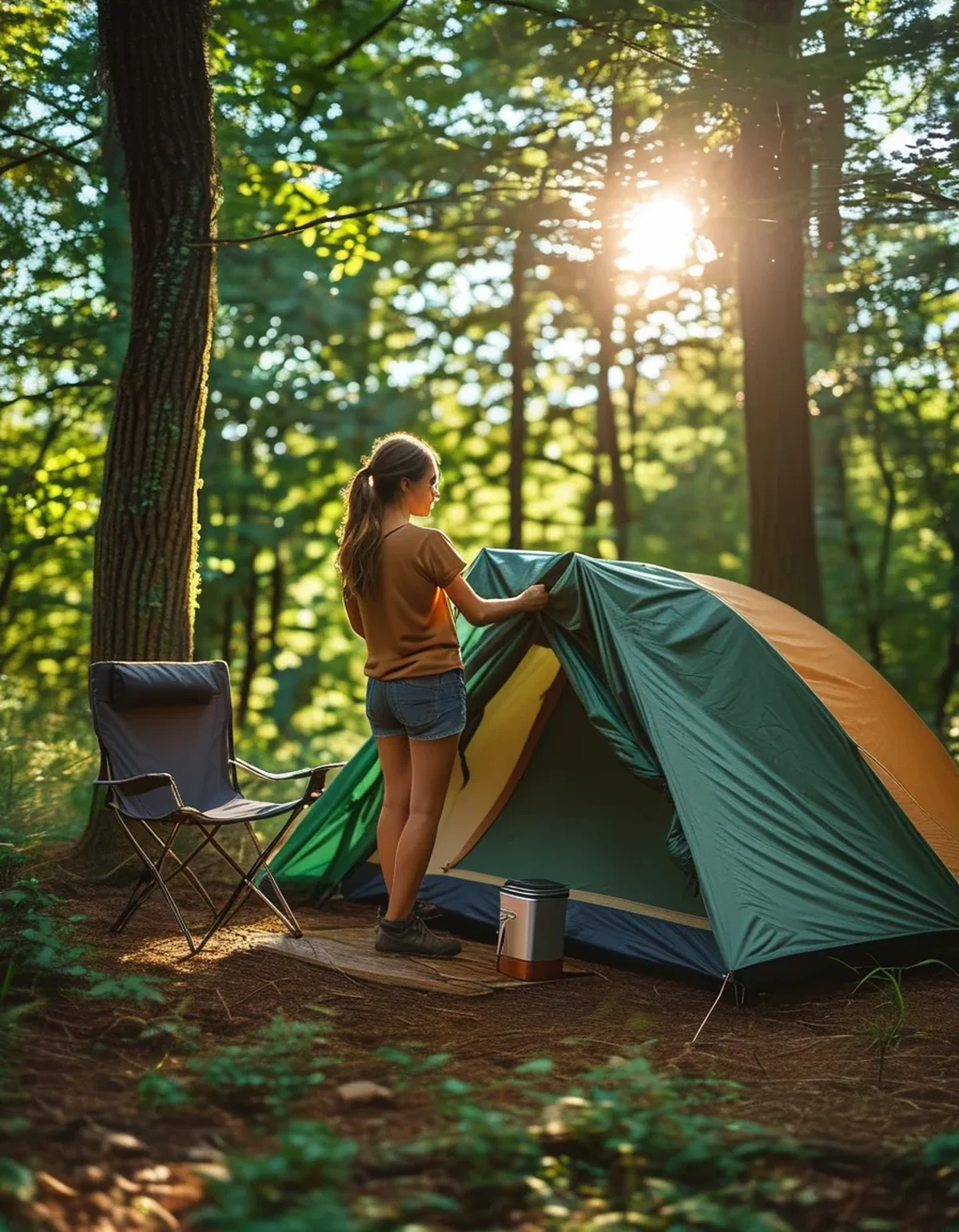
Mistakes 1 and 2: The ones that leave you cold at 3 a.m.
1. Packing for the daytime high instead of the overnight low
This is the big one, and it accounts for more miserable August nights than everything else combined.
A late-August day can hit 85°F and drop to 50°F overnight — a swing that midsummer simply does not produce. People check the high, pack a light summer bag, and spend the second half of the night curled up trying to conserve heat.
Check the overnight low specifically, then subtract 10 degrees. Valleys, lakesides, and clearings all run colder than the regional forecast, and the number you see is usually measured somewhere flatter and more sheltered than where you are sleeping.
The cheap fix if your bag is not rated low enough: a sleeping bag liner adds roughly 8 to 15°F for almost no weight, packs down to the size of a water bottle, and costs a fraction of a new bag. Pack it even if you think you will not need it.
2. Sleeping on a pad rated for summer only
Cold in a tent comes up from the ground more than it comes in through the air, and the ground in late August has started shedding the heat it banked all summer.
Sleeping pads have an R-value — insulation, not comfort. Most cheap summer pads sit around R 1 to 2, which is fine in July and noticeably not fine in late August. R 3 or above handles shoulder-season ground comfortably.
You do not need to buy anything tonight. A folded wool blanket or a closed-cell foam pad under your existing pad adds meaningful insulation for free, and the foam layer doubles as a seat around the fire.
The tell that this is your problem: you feel cold along your back and hips specifically, while your top half is fine. That is ground conduction, and no amount of extra blanket on top will fix it.
Mistakes 3 and 4: The tent errors that cost you a dry night
3. Sealing the tent up tight against the cold
It is the instinctive move and it is exactly backwards. Zip everything closed and you wake up with the inside of the tent wet, your sleeping bag damp at the foot, and condensation dripping on your face.
Here is the mechanism: a sleeping adult puts out close to a pint of moisture overnight through breath and skin. Late-summer air is still humid from the season. When the tent wall cools below the dew point, all that moisture condenses on the inside of the fabric.
Vent both ends, always — even when it is cold, especially when it is cold. Crack the rainfly vents, leave the top of the door mesh open, and get airflow moving across the tent rather than into it.
A damp bag insulates dramatically worse than a dry one, which is why the sealed-tent strategy tends to make you colder by the second night, not warmer.
4. Assuming August weather is settled
Late summer produces the most dramatic afternoon thunderstorms of the year — the ground is hot, the air is humid, and the instability builds fast. A morning of clear blue sky tells you almost nothing about 4 p.m.
Stake and guy out the rainfly properly on day one, even under a cloudless sky. The whole job takes four minutes when the weather is calm and is genuinely unpleasant to do in the dark in a downpour.
Two more habits worth adopting for August specifically: keep a dry bag or trash bag over your sleeping gear during the day, and site your tent slightly high rather than in the appealing flat hollow. Hollows collect water, and they also collect cold air overnight — the same spot punishes you twice.
Mistakes 5 and 6: Losing the light, and late-season wildlife
5. Underestimating how much earlier it gets dark
By mid-August, most of the US has lost around 60 to 75 minutes of evening daylight since the June solstice, and it keeps accelerating through the month. People who camped in June carry June’s timeline in their head.
The practical consequence is always the same: you arrive at the site at a reasonable hour, take your time, and end up pitching the tent and cooking dinner in the dark.
Set camp 60 minutes earlier than feels necessary. Tent up, bedding laid out, headlamps located, and firewood gathered before you sit down for the first time. Everything after that is optional.
And bring a real headlamp per person rather than relying on phone flashlights. A phone light is directional, drains the battery you may need for maps, and forces you to cook one-handed.
6. Overlooking late-season bugs and food storage
Wasps and yellowjackets turn aggressive in late summer as natural food sources dry up — this is peak season for them, not the tail end. They are drawn to sweet drinks, fruit, and open trash far more than in June.
Keep sugary drinks covered and check the can before every sip. Sodas and juice left open on a picnic table are the single most common way people get stung on an August trip.
Food storage discipline also matters more now. Animals are actively building fat reserves before autumn and are noticeably bolder about camp raids. Follow the site’s storage rules — bear canister, locker, or hard-sided vehicle depending on where you are — and treat toiletries and scented items as food, because animals do.
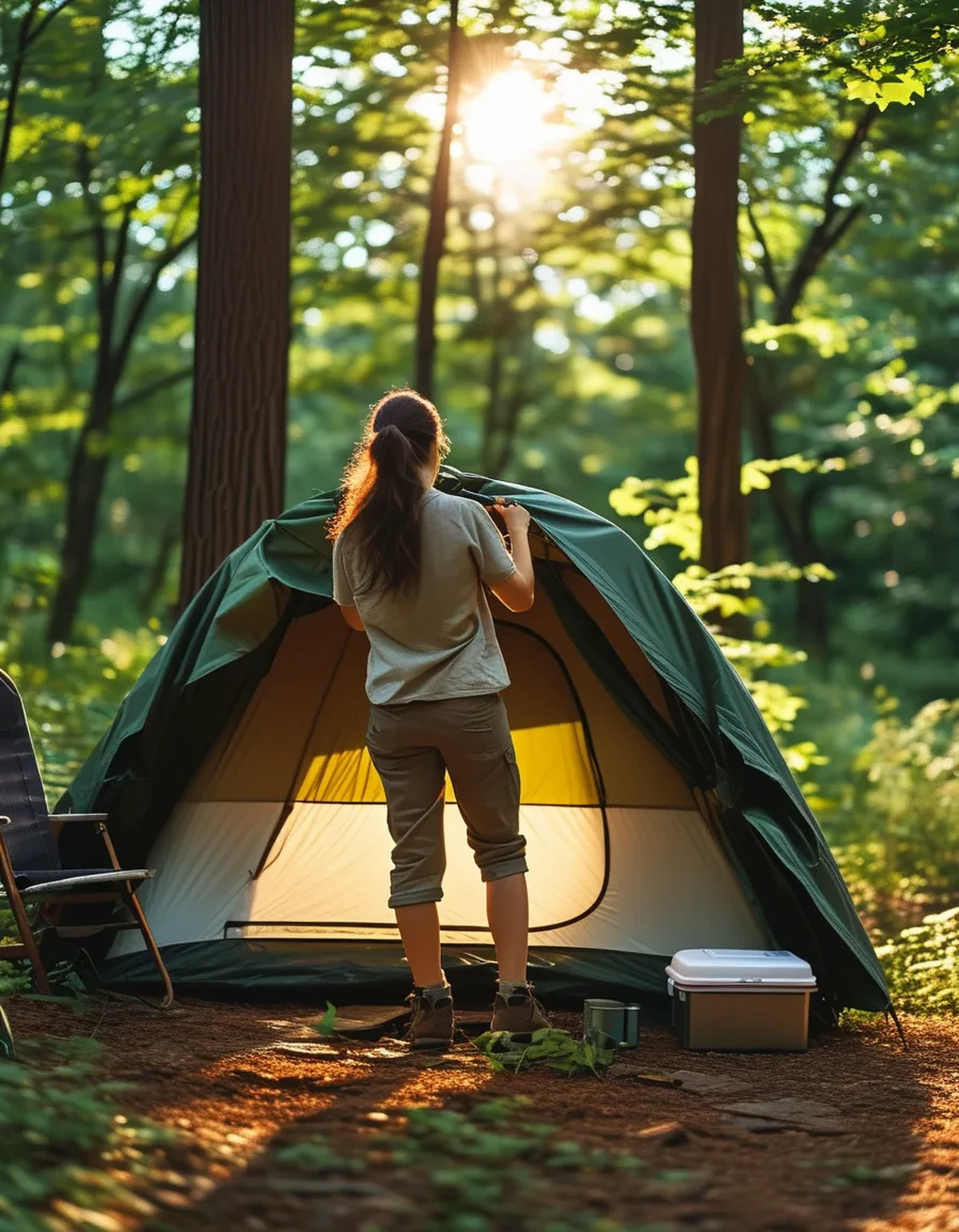
Mistakes 7 and 8: Layers and water in a 30-degree swing
7. Skipping the shoulder layer because it is summer
The clothing failure is not that people forget warm layers entirely — it is that they pack one insufficient hoodie for a trip with a 30-degree daily swing.
The minimum kit for late August: a warm hat (you lose real heat overnight through your head, and it is the lightest item in your bag), a fleece or light puffy, and one pair of dry socks reserved exclusively for sleeping.
That last one is worth taking seriously. Feet that spent the day damp in hiking shoes will keep you cold all night. Sleep socks never touch the ground — they live in the sleeping bag and go on only once you are in it.
Skip cotton for anything you plan to sleep in. Once cotton is damp with sweat or humidity, it stays damp, and it will pull heat off you until morning.
8. Not adjusting your water plan for the heat
August hiking heat is cumulative. People drink well on day one, under-drink on day two, and feel inexplicably flattened by day three — that is dehydration stacking, not fitness.
Late-summer streams are also at their lowest and most concentrated of the year, which means the source you relied on in spring may be a trickle or gone entirely. Never plan a trip around a water source you have not confirmed this season.
Carry more than you think, filter or treat everything, and add electrolytes if you are sweating hard for multiple days. Plain water alone, in volume, in heat, can leave you feeling worse rather than better.
One straightforward marker to watch: pale-yellow urine means you are keeping up. Dark and infrequent means you are already behind. This is general information, not medical advice — if anyone shows confusion, stops sweating, or has a pounding headache in the heat, treat it as urgent and get help.
9. Treating the drive home like an afterthought
The last mistake happens after the trip. Damp gear packed away on a Sunday evening and left until the next trip is how tents grow mildew and sleeping bags lose loft permanently.
Late-summer gear comes home wetter than midsummer gear because of the condensation issue in mistake three, even when it never rained.
Unpack the tent and the sleeping bag within 24 hours and let both dry fully — the tent hung or spread out, the bag loose rather than compressed. Twenty minutes of work protects several hundred dollars of equipment.
Store sleeping bags uncompressed in a large cotton sack, not the stuff sack they came in. Long-term compression is what kills insulation loft, and a bag that has been crushed in a stuff sack for eight months will not keep you as warm next August.
FAQ: Late-Summer Camping Questions, Answered
Is August a good month to camp?
Genuinely yes — fewer bugs than early summer in most regions, warm water for swimming, thinner crowds after the early-August peak, and the first hint of fall color at elevation. It just requires shoulder-season preparation rather than midsummer preparation.
What temperature sleeping bag do I need for August?
Match it to the overnight low minus 10 degrees, not the daytime high. For most of the continental US in late August that lands around a 30 to 40°F rated bag, and higher elevations need more. Bag ratings are survival ratings rather than comfort ratings, so err warm.
How do I keep condensation out of my tent?
Ventilate at both ends all night, keep wet clothing and boots in the vestibule rather than inside, and avoid pitching in low hollows or right beside water. Do not touch the tent walls in the morning before you wipe them down — contact is what turns condensation into a drip.
TL;DR: August camping punishes anyone who packs for July.
- Pack for the overnight low minus 10 degrees, not the daytime high — a bag liner is the cheapest insurance you can buy.
- Insulate underneath you. Cold comes up from the ground; a foam pad or wool blanket under your pad fixes it.
- Ventilate the tent even when cold — sealing it up is what makes you damp, and damp makes you colder.
- Set camp an hour early. You have lost over an hour of evening light since June.
- Watch late-season wasps and bolder animals, and confirm water sources before you rely on them.
- Dry everything within 24 hours of getting home and store bags uncompressed.
None of these take real effort — they take doing the ordinary things an hour earlier and one layer warmer than August feels like it should need.
Keep Reading
This article is for general informational and styling purposes only. Fit, sizing, and product availability may vary.