7 Things First-Time Solo Campers Always Forget (and Regret by Night Two)
Quick Answer: The 7 most common solo-camping regrets are: no real chair, not enough layers for 3am, one headlamp with no backup, one phone battery, food that needed a cooler you forgot, underestimating site noise, and skipping a check-in plan with someone at home.
You’ve packed the tent, the sleeping bag, the stove. You feel ready. Then night one hits, the temperature drops 20 degrees, and you’re sitting on a rock because you forgot a chair. Solo camping regrets follow a pattern — here’s the list so yours doesn’t.
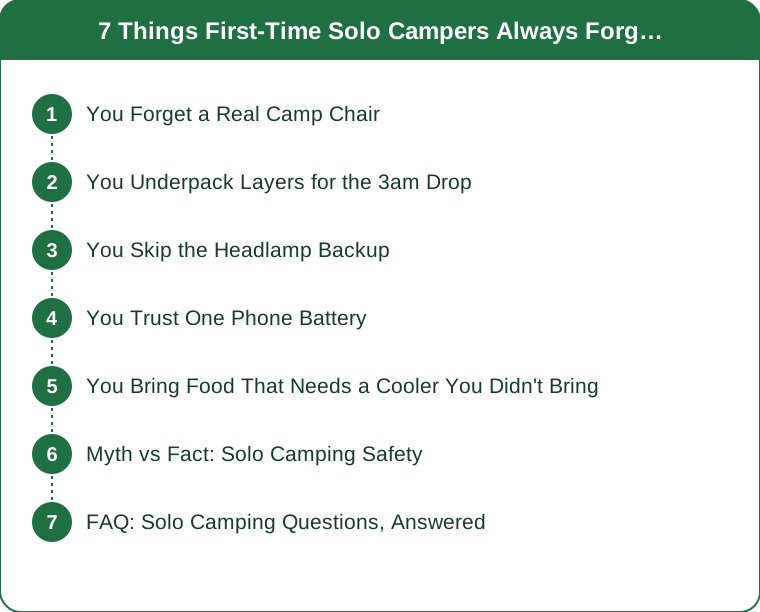
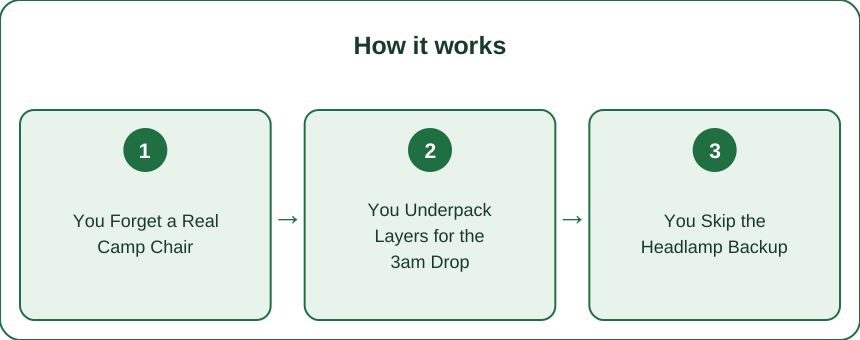
You Forget a Real Camp Chair
It sounds minor until you’re eating dinner crouched on a cooler lid for the third night in a row. A compact camp chair (2-3 lbs, packs to the size of a water bottle) changes how much you actually enjoy sitting at your own site. Skip the rock-and-log seating — your back will thank you by day two.
You Underpack Layers for the 3am Drop
Daytime temps lie. Even a mild-forecast trip can drop 15-20 degrees after midnight, and tents don’t hold heat like a house does. Pack one more layer than you think you need — a puffy jacket and wool socks dedicated just to sleeping. First-timers consistently pack for the 2pm hike, not the 3am wake-up.
You Skip the Headlamp Backup
One headlamp, zero backup, and dead batteries by night two is the single most common solo-camping regret in beginner forums. Pack a second light source — even a $6 backup headlamp — and store it somewhere you can find it in the dark, not buried in the bottom of your pack.
You Trust One Phone Battery
A phone is your map, your flashlight, and your emergency contact — running it down to 12% by dinner is a real risk, not a minor inconvenience. A 10,000mAh power bank weighs about 200g and buys you 2-3 full charges. Airplane mode overnight extends battery life by hours.
You Bring Food That Needs a Cooler You Didn’t Bring
Raw meat and dairy sound great in the meal plan and then sit warming in a tote bag all day. First solo trips go smoother with shelf-stable proteins — tuna pouches, jerky, dehydrated meals — that don’t depend on ice you have to keep buying.
Myth vs Fact: Solo Camping Safety
Myth: Solo camping is significantly more dangerous for women than group camping. Fact: Established, popular campgrounds with other sites nearby carry low real risk — the bigger risks are practical ones (weather, navigation, gear failure), which is exactly why this list focuses there.
Myth: You need advanced wilderness skills to camp alone. Fact: A well-chosen, established site with cell signal and marked trails is a reasonable first solo trip — expertise builds over several trips, not before the first one.
FAQ: Solo Camping Questions, Answered
Is it safe to camp alone as a woman?
At an established, reviewed campground with nearby sites, yes for most people — choose sites with recent positive reviews and some cell signal, and tell someone your plan.
What should I tell someone before I go?
Your exact site, arrival and departure times, and a simple check-in time (like a text by 8pm). If you miss it, that’s the signal to call the campground or ranger station.
How do I handle noise or unfamiliar sounds alone?
Most night noises are wildlife or wind, not threats — a bright light swept toward the sound and a firm, loud voice deters almost everything that might wander near a site.
TL;DR:
- Pack a real chair, one extra sleep layer, a backup light, and a power bank
- Choose shelf-stable food over anything that needs ice you didn’t bring
- Pick an established site, share your plan and a check-in time with someone at home
- Most solo-camping regrets are logistics, not danger — fix the logistics and the trip gets easy fast
The first solo trip teaches you your own list faster than any packing guide will — but starting with these 7 fixed saves you the worst of night two.
Keep Reading
This article is for general informational and styling purposes only. Fit, sizing, and product availability may vary.