7 Campfire Mistakes That Ruin Your Night (And How to Fix Each One)
Quick Answer: The most common campfire mistakes are using wet or green wood, building the structure too tight for airflow, skipping proper tinder, dousing the fire too fast, sitting too close to smoke, misjudging wind direction, and not maintaining the fire once it’s going. Fixing airflow and wood quality solves most of them.
Everyone’s had the campfire that just won’t cooperate — smoking you out, refusing to catch, or dying the second you turn your back. Here are the seven mistakes actually behind most bad campfire nights.
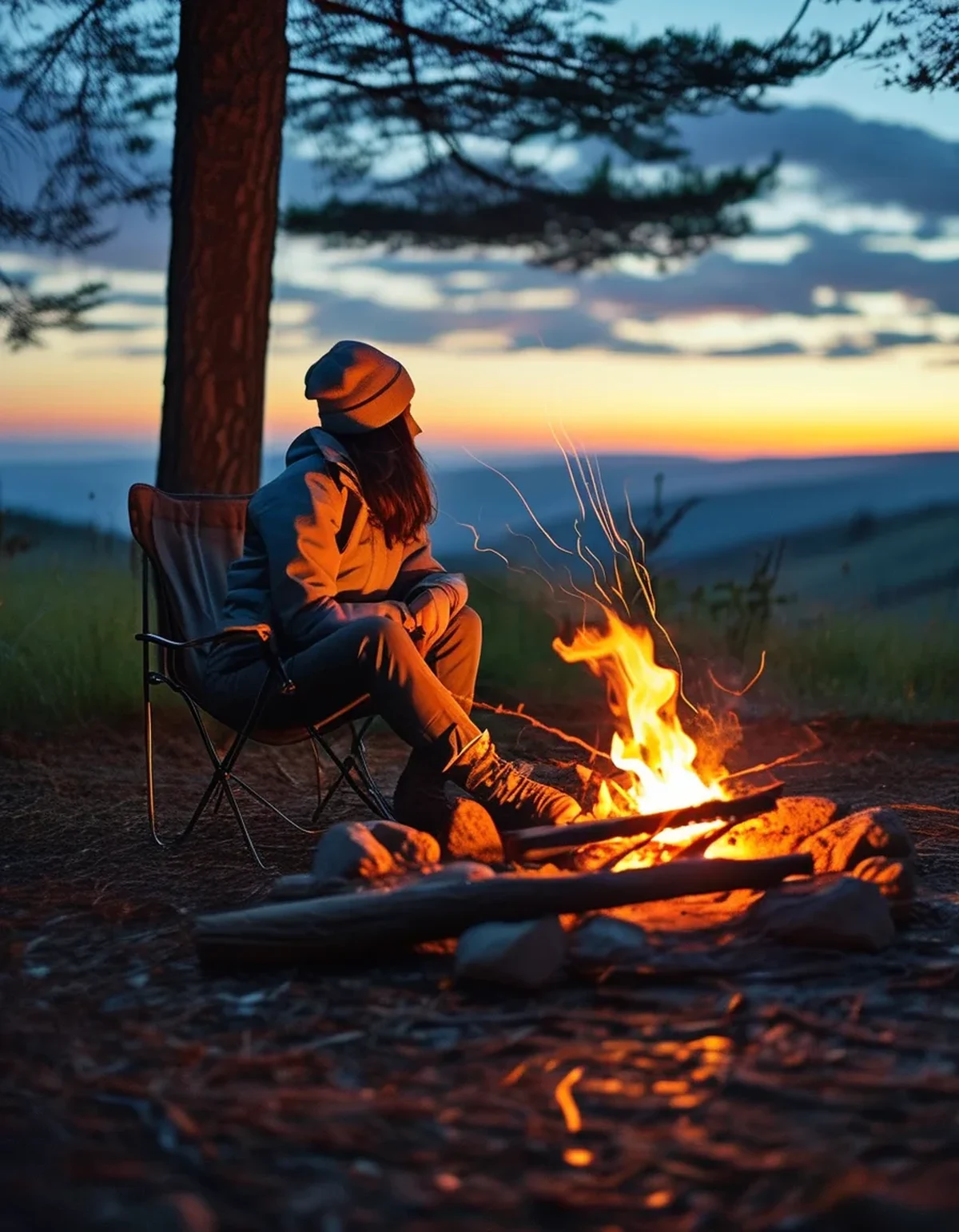
### Mistake 1: Using wet or green (freshly cut) wood
This is the single biggest cause of a smoky, weak fire. Green or damp wood has to burn off moisture before it can actually combust well, which produces heavy smoke and a fire that struggles to maintain heat. Fix: Always use seasoned, dry wood — if you’re unsure, snap a piece; dry wood cracks cleanly, green wood bends or feels spongy.
Mistake 2: Building the structure too tight
Packing logs close together blocks the airflow fire needs to breathe, smothering it before it gets going. Fix: Use a loose teepee or log-cabin structure with visible gaps — fire needs oxygen circulating through it, not just fuel.
### Mistake 3: Skipping proper tinder
Jumping straight to medium logs without a solid tinder-and-kindling base is a common beginner mistake. Fix: Build in three fuel sizes — tinder (dry leaves, bark, dryer lint), kindling (pencil-thin sticks), then fuel logs — added in that order as the fire grows.
Mistake 4: Not accounting for wind direction
Setting up your fire pit without checking wind direction means smoke blows directly into your seating area all night. Fix: Check wind direction before setting up seating, and position your chairs upwind of the fire, not downwind.
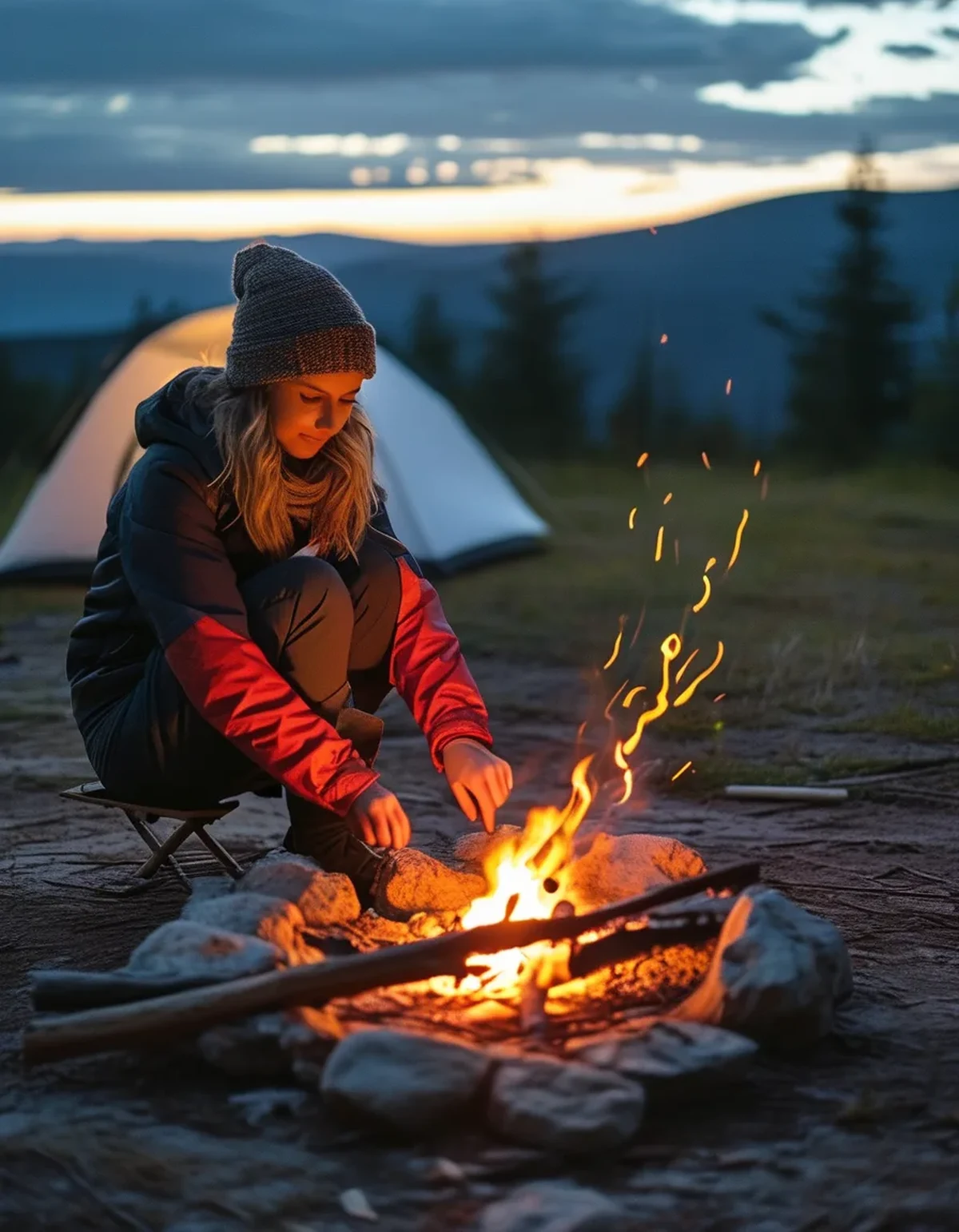
### Mistake 5: Dousing the fire too aggressively, too fast
Dumping a full bucket of water on a hot fire all at once can cause dangerous steam flare-ups and cracked fire-ring stones. Fix: Douse gradually in stages, stirring the ashes between pours, until it’s cool to the touch.
Mistake 6: Not maintaining the fire once it’s established
A fire left completely unattended tends to either die down or flare unpredictably. Fix: Add fuel in small increments every 15-20 minutes rather than one big log dump, keeping the burn steady.
### Mistake 7: Choosing the wrong fire-pit location
Building too close to your tent, overhanging branches, or on top of exposed roots creates real fire-safety risk. Fix: Use an established fire ring when available, keep at least 10-15 feet from tents and gear, and check for overhead branches before building.
Getting these seven right turns a frustrating night of smoke and false starts into the actual relaxing, crackling campfire experience you came for.
FAQ: Campfire Building Questions, Answered
What’s the fastest way to tell if wood is dry enough to burn well?
Snap a stick from it — dry wood snaps cleanly with a crisp sound, while green or wet wood bends or feels rubbery and won’t crack the same way.
Is it okay to use lighter fluid or fire starter gel to get a stubborn fire going?
It can work in a pinch, but it’s not a substitute for proper tinder and airflow — a well-built fire structure should catch from a simple match or lighter without needing accelerants, which also carry their own safety risks.
How much wood should you actually bring for one night?
A rough rule is one full armload of seasoned wood per 2-3 hours of fire, so plan for at least 2-3 armloads for a typical evening around the fire.
TL;DR:
- Dry, seasoned wood and good airflow fix most campfire problems
- Build with tinder, kindling, then fuel logs in that order
- Check wind direction before setting up your seating
- Douse gradually, in stages, not all at once
- Choose your fire-pit location with safety distance in mind
Most bad campfire nights trace back to one or two of these seven mistakes — fix those, and the rest of the night takes care of itself.
Keep Reading
This article is for general informational and styling purposes only. Fit, sizing, and product availability may vary.